
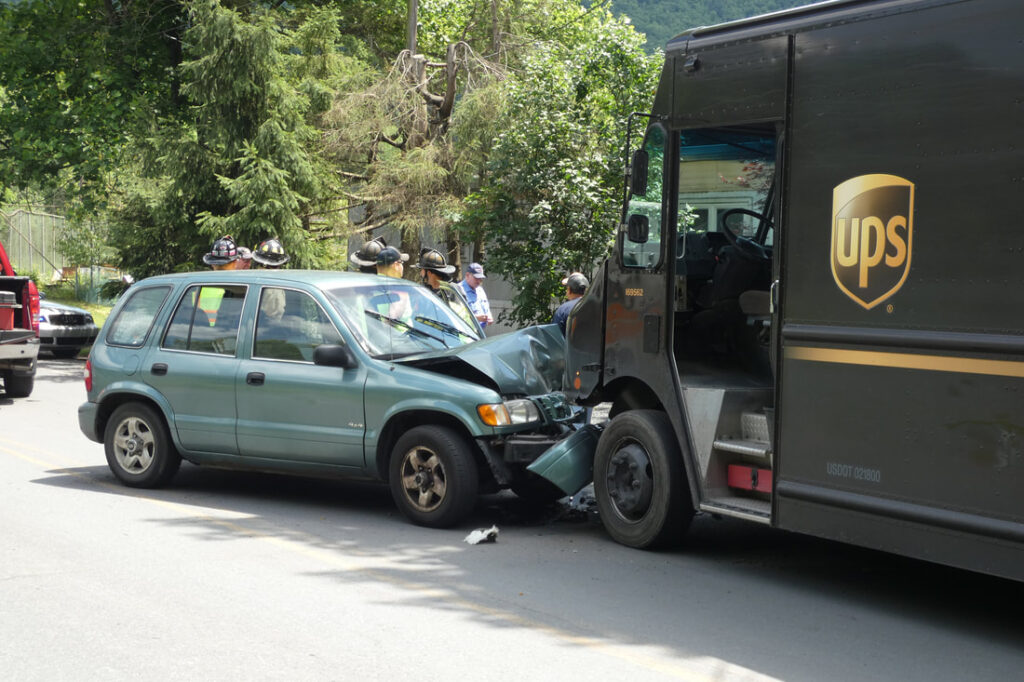
If you were hit and injured by a UPS truck in California, you’re dealing with a different kind of accident than a typical fender-bender. Commercial delivery claims move fast, and evidence can disappear quickly. Your best move is to focus on three priorities immediately: (1) medical care, (2) evidence preservation, and (3) avoiding insurance traps that can reduce your payout.
If you’re hurt and want a clear plan right now, call The Law Offices Of Gerald L. Marcus at 818-784-8544 for a free consultation. No fee unless we win.
Steps To Take
If you were hit by a UPS truck in California, do these steps in order:
-
Get medical care immediately (same day if possible).
-
Call police/CHP and get the report number.
-
Photograph the UPS truck (plate + any unit numbers), the damage, and the entire scene.
-
Get witness names and phone numbers before they leave.
-
Do not give a recorded statement to UPS or any insurer yet.
-
Preserve evidence at home (photos, video, damaged items, symptom notes, receipts).
-
Talk to an attorney early so commercial evidence is preserved before it’s overwritten or “lost.”
Need help now? Call 818-784-8544.
Why UPS Truck Accident Claims Are Different Than Regular Car Accidents
A UPS truck crash is usually treated like a commercial vehicle claim. That matters because commercial defendants often have structured systems designed to reduce exposure.
1) Corporate insurance teams respond quickly
After a delivery truck injury, it’s common to receive calls asking for “your side of the story.” The problem: those conversations can be used to:
-
lock you into statements before your symptoms fully develop
-
create “partial fault” arguments
-
downplay your injuries
-
push quick settlements before you know your medical future
-
blame pre-existing issues (even when the crash clearly caused the problem)
2) Evidence is time-sensitive (and it can disappear)
Commercial vehicles and companies may have records that can be critical, such as:
-
onboard camera footage (if equipped)
-
GPS/telematics data (location, speed, braking events)
-
dispatch and route timing records
-
driver training materials and safety policies
-
maintenance, inspection, and repair records
-
internal incident documentation
If those items aren’t preserved quickly, they may be overwritten, deleted, or become difficult to obtain.
3) There may be more than one liable party
Depending on the facts, responsibility may involve:
-
the UPS driver
-
UPS as the employer (when the driver is working)
-
another driver who triggered or contributed to the crash
-
a contractor that created a hazard
-
a public entity (dangerous roadway condition — special deadlines can apply)
This is why strong cases start with strong evidence, fast.
Step-by-Step: What To Do After A UPS Truck Hits You In California
Step 1 — Get medical care (do not “wait and see”)
Even if you feel “okay” right after impact, many injuries show up hours later or the next day.
Common delayed symptoms include:
-
headaches, dizziness, nausea, confusion (possible concussion)
-
neck stiffness, shoulder pain, low back pain (whiplash/disc injuries)
-
numbness or tingling in arms/legs
-
worsening pain overnight
-
difficulty sleeping due to pain
-
anxiety, panic, or shock reactions after the crash
What to do:
-
Get evaluated immediately if you’re injured.
-
Follow up with your doctor.
-
Keep your discharge papers and all records.
-
Save every medical-related receipt (meds, copays, braces, supplies).
Insurance companies routinely argue “no injury” when care is delayed. Don’t give them that opening.
Step 2 — Make sure a report exists and save the details
If police or CHP responded, write down:
-
agency name
-
report number
-
officer name/badge (if available)
-
how to request the report
If they didn’t respond, document the incident yourself thoroughly and talk to counsel immediately—commercial cases often hinge on early documentation.
Step 3 — Photograph the UPS truck like a lawyer would
If it’s safe to do so, take photos and video before vehicles move and before the scene changes.
Minimum photo set:
-
the UPS truck from front/side/rear
-
the UPS license plate
-
any unit/fleet numbers on the truck
-
damage to your vehicle/body and damage to the UPS truck
-
wide shots showing lane positions and roadway layout
-
traffic signals, stop signs, crosswalk markings, lane arrows
-
skid marks, debris, broken glass, fluid trails
-
lighting and weather conditions
Pro tip: Take a 30-second walk-around video. It captures context that single photos miss.
Step 4 — Get witness names and phone numbers immediately
Witnesses often decide whether the case becomes “clear liability” or “he said / she said.”
Get:
-
name
-
phone number
-
where they were when they saw it
-
one sentence on what they observed
Step 5 — Don’t give a recorded statement to UPS or the insurer yet
Be polite. Get the claim number. Then stop talking.
Recorded statements are often used to:
-
lock you into “I’m fine” before symptoms show
-
create contradictions later
-
obtain admissions (“I didn’t see the truck,” “I was in a hurry”)
-
build partial fault arguments
You can provide basic contact information. But if you’re injured, do not rush into recorded statements or signing documents.
Step 6 — Preserve evidence at home the same day
Do these steps tonight:
-
Back up your photos/videos (cloud + email a copy to yourself).
-
Save damaged items (helmet, clothing, child car seat, bike parts, broken phone).
-
Write a short timeline while it’s fresh (minute-by-minute).
-
Save all receipts (medical, prescriptions, rideshare, rental, tow, storage).
-
Start a daily symptom log (2 minutes/day): pain level, sleep, limitations, missed work.
This creates a simple, credible paper trail that insurance companies can’t ignore.
Step 7 — Talk to an attorney early to preserve commercial evidence
Commercial claims are won by evidence and timing. If you wait weeks, key records may be gone.
If you’re injured, call the truck accident lawyers at The Law Offices Of Gerald L. Marcus at 818-784-8544. You’ll get a clear, practical plan tailored to your facts.
Common UPS Truck Accident Scenarios (and What They Usually Mean)
UPS crashes tend to fall into patterns. Identifying the pattern helps target the right evidence.
Lane-change sideswipe collisions
Often caused by blind spots, failure to signal, or drifting between lanes.
Evidence that matters:
-
witness statements
-
video footage
-
lane position photos
-
damage patterns showing direction of impact
Wide turns (especially right turns)
Large delivery trucks may swing wide into adjacent lanes or hit vehicles, cyclists, or pedestrians.
Evidence that matters:
-
intersection layout photos
-
turn path and lane markings
-
crosswalk/signal timing
-
video from nearby businesses or doorbell cams
Rear-end collisions
Common causes include following too close, distraction, speeding, and sometimes braking issues.
Evidence that matters:
-
impact photos
-
medical documentation (rear-end injuries are often minimized)
-
scene photos showing stopping distance and roadway conditions
Backing collisions
Backing crashes raise questions about safety policy, visibility, and warnings.
Evidence that matters:
-
location video and witnesses
-
backup alarms/camera functionality (if equipped)
-
company policy compliance (where the truck was backing and why)
Pedestrian or bicycle collisions
These can be severe and heavily disputed.
Evidence that matters:
-
witness statements and video
-
sightline photos (what the driver could see)
-
crosswalk markings and signal timing
-
immediate medical documentation
Who Can Be Held Responsible After A UPS Truck Accident In California?
Most people assume only the driver matters. In many commercial cases, that’s a mistake.
1) The UPS driver
Potential issues include:
-
unsafe lane change
-
improper turn
-
speeding
-
distracted driving
-
failure to yield
-
unsafe backing
-
following too closely
2) UPS as the employer (when the driver is working)
If the driver was on duty, employer responsibility is often a major path to recovery. Company policies, training, supervision, and safety standards can become important.
3) Another driver who caused or contributed
Sometimes a third party triggered the chain of events and UPS becomes only one part of the liability picture.
4) Roadway hazards (possible public entity involvement)
If a road defect or dangerous design contributed, special rules and shorter deadlines may apply. That’s a “move fast” situation.
What You Can Recover After Being Hit By A UPS Truck
Every case is different, but damages generally fall into these categories:
Medical damages
-
ER/urgent care, ambulance
-
imaging (MRI/CT/X-ray)
-
specialists and surgery (if needed)
-
physical therapy and rehab
-
prescriptions, medical equipment
-
future treatment needs
Lost income
-
lost wages
-
missed overtime/bonuses
-
reduced earning capacity
-
self-employed losses (missed jobs, canceled contracts)
Pain and suffering (non-economic damages)
-
pain, limitations, reduced mobility
-
sleep disruption
-
loss of enjoyment of life
-
anxiety, emotional distress after the crash
Out-of-pocket expenses
-
transportation to treatment
-
home help needs
-
rental car and related costs
-
medical supplies and devices
What To Expect When UPS Or The Insurer Contacts You
Commercial claims often follow a predictable script.
They may sound helpful and ask “simple questions”
Those questions are often designed to:
-
get admissions
-
minimize injuries
-
lock you into details you aren’t sure about
-
create partial-fault arguments
They may push paperwork fast
Common pressure points include:
-
recorded statement requests
-
medical authorizations
-
early settlement releases
They may offer money quickly
Fast money is often low money—especially before:
-
you finish treatment
-
your diagnosis is clear
-
future care needs are known
-
lost income is fully documented
If you’re injured, get advice before you sign anything.
How The Law Offices Of Gerald L. Marcus Helps After A UPS Truck Injury
When you’re dealing with a commercial delivery claim, you need a firm that treats it like a commercial case from Day 1.
What we focus on immediately
-
rapid evidence strategy and early investigation
-
preserving time-sensitive commercial evidence
-
building liability and damages so the insurer can’t minimize the claim
-
guiding you away from recorded-statement traps and premature settlements
-
positioning the case for maximum leverage (including litigation if necessary)
No fee unless we win
We handle injury cases on contingency. That means:
-
no attorney fee upfront
-
no fee unless we recover money for you
To get a clear plan today, call 818-784-8544.
FAQs
Can I file a claim if I was hit by a UPS truck while driving?
Yes. If the UPS driver caused the collision and you were injured, you may be able to recover for medical bills, lost income, and pain and suffering. Liability and value depend on evidence and documentation.
What if I was a pedestrian or cyclist hit by a UPS truck?
Pedestrian and bike cases often involve serious injuries and aggressive defenses. Preserve witnesses and video immediately and get medical evaluation the same day.
Do I have to give UPS a recorded statement?
You can provide basic claim information, but you do not need to rush into a recorded statement—especially if you’re injured. Get legal guidance first.
How long do I have to bring a claim in California?
Deadlines vary depending on the facts and who may be responsible. Waiting can weaken evidence and reduce leverage. If there is any possibility a public entity is involved, timing can be especially strict—talk to a lawyer immediately.
How much is a UPS truck injury case worth?
It depends on injury severity, medical documentation, long-term impact, lost income, liability strength, and available coverage. A lawyer can estimate value after reviewing your records and the facts.
Call The Law Offices Of Gerald L. Marcus Right Now
A UPS truck injury claim can turn into a fight fast once corporate insurance gets involved. If you were hit and injured by a UPS truck anywhere in California, call The Law Offices Of Gerald L. Marcus at 818-784-8544.
Free consultation. No fee unless we win.
 We Don’t Back Down. We Dominate. Over $450 Million Won for Injury Victims.
