
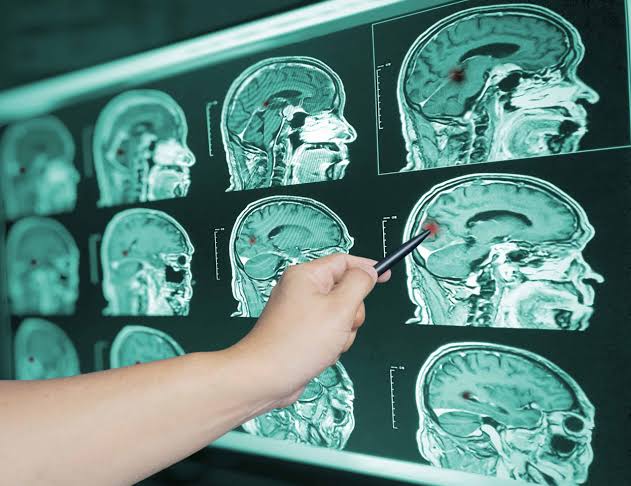
If you or a loved one suffered a traumatic brain injury in a California accident, get appropriate medical care, arrange follow-up and rehabilitation, preserve evidence, and have an attorney review the claim before accepting a settlement. Compensation may help cover treatment, lost earnings, necessary caregiving, and future needs when another party is legally responsible. The Law Offices of Gerald L. Marcus helps injured people and families investigate brain injury claims and pursue accountability. Call 818-784-8544 for a free consultation. You can call even if your loved one is still hospitalized.
If you are the injured person reading this, take your time. Ask someone you trust to help organize information if reading, concentrating, or remembering details is difficult.
If you are a spouse, parent, adult child, or caregiver, you may suddenly be managing medical decisions, insurance calls, and household responsibilities. You do not need to understand the entire legal process before asking for help.
Start with safety and care. Let an experienced legal team help you address the claim.
Emergency Warning Signs: When to Call 911
After a head injury, call 911 or seek emergency care immediately for:
- A worsening headache that does not resolve.
- Repeated vomiting.
- A seizure.
- New weakness, numbness, or difficulty coordinating movement.
- Slurred speech or markedly unusual behavior.
- Increasing confusion or inability to recognize familiar people or places.
- One pupil noticeably larger than the other.
- Loss of consciousness, extreme drowsiness, or inability to wake the person.
These are potential emergency signs—not matters to wait and discuss with an attorney. Follow the treating team’s specific instructions, including any child-specific warning signs.
What Families Should Prioritize First
| Priority | What to do |
|---|---|
| Medical stability | Follow emergency and hospital instructions; report concerning changes promptly. |
| A clear care plan | Obtain written discharge instructions, referrals, medication directions, and activity restrictions. |
| Safe assistance | Ask what supervision or physical help is necessary and what training caregivers need. |
| Evidence preservation | Save incident details, photographs, witness contacts, and available recordings. |
| Legal review | Identify responsible parties, insurance, and deadlines before evidence disappears or an offer is accepted. |
You do not have to finish one column of tasks before requesting help with another.
Call The Law Offices of Gerald L. Marcus at 818-784-8544 while treatment continues.
Understanding TBI, Concussion, and Head Injuries
A traumatic brain injury can result from a blow or jolt to the head—or an impact to the body that causes the brain to move rapidly inside the skull. A concussion is a type of mild TBI.
A head injury is a broader description. It does not, by itself, establish whether the brain was injured. Medical evaluation is necessary.
“Mild” does not mean the consequences are unimportant
A person with a mild TBI may experience significant difficulties with thinking, working, or daily life. The diagnosis alone does not establish how long recovery will take or the financial impact.
A normal CT scan does not automatically rule out a concussion
CT imaging can help identify certain urgent problems, including bleeding, but a concussion is not diagnosed solely through a scan. Providers also consider symptoms, history, and examination findings.
Do not assume that normal imaging proves there was no injury. Equally, symptoms require medical assessment rather than self-diagnosis.
What Changes Should a Caregiver Tell the Medical Team About?
Pay attention to changes from the person’s usual functioning, including:
- Forgetfulness or difficulty following conversations.
- Trouble organizing tasks or making decisions.
- Headaches, dizziness, or sensitivity to light and sound.
- Changes in sleep, energy, or stamina.
- Increased irritability, anxiety, or emotional reactions.
Symptoms can emerge or become more noticeable after the initial incident. The injured person may not recognize every change themselves. Report observations without assigning a diagnosis.
Use specific examples:
“Before the accident, she managed the household bills. This week, she needed help understanding two routine statements.”
That gives the provider more useful information than “She seems different.”
How to Organize Treatment and Rehabilitation
Ask the treating provider who will coordinate follow-up. Depending on the injury, care may involve brain-injury rehabilitation specialists, neurologists, therapists, psychologists, and other professionals.
For a serious TBI, rehabilitation can involve several disciplines working on different aspects of recovery. The appropriate setting and services depend on the person’s medical needs.
Before discharge or a change in care setting, ask:
- What diagnoses have been made, and what remains uncertain?
- Which symptoms require emergency attention?
- Which appointments and referrals need to be scheduled?
- Can the person safely be alone?
- What assistance is needed with medication, meals, mobility, or personal care?
- What are the restrictions on driving, work, school, and physical activity?
- Who should we contact if the current care plan is not working?
- What equipment or caregiver instruction is necessary?
For mild TBI, follow individualized guidance about gradually resuming activity. Do not apply a mild-concussion recovery schedule to someone with a moderate or severe injury. Contact the provider when symptoms persist or worsen.
An attorney can handle legal work and help document care needs. Medical professionals direct diagnosis, treatment, and rehabilitation.
Can a Family Member Speak With a Lawyer for the Injured Person?
Yes. A family member can contact the firm, explain what happened, and ask about next steps.
But being a spouse, parent of an adult, or caregiver does not automatically authorize someone to sign legal documents or settle another adult’s claim.
If the injured person can make decisions
Keep them involved. They may authorize communication with relatives or ask trusted people to help review information.
A brain injury diagnosis does not automatically remove a person’s decision-making rights.
If the injured person cannot manage the legal claim
An attorney can evaluate existing documents and whether a court-appointed representative is needed. Depending on the circumstances, options may include a guardian ad litem or other appropriate legal arrangements.
A healthcare decision-making document is not necessarily authority to handle a lawsuit or financial settlement. California Courts explains several forms of decision-making assistance and their different purposes.
Do not postpone the initial call because you are unsure who can sign. Call 818-784-8544 and explain the situation.
What Must Be Proven to Hold a Negligent Party Accountable?
A brain injury diagnosis is important, but the legal claim also needs proof of responsibility.
In a typical negligence case, the investigation examines:
- Duty: What responsibility did the other party owe?
- Breach: What did they do—or fail to do—that was negligent?
- Causation: How did that conduct cause or contribute to the injury?
- Damages: What losses resulted?
Potential claims may arise from vehicle collisions, unsafe property, workplace incidents involving third parties, or other preventable events.
The responsible party might be a driver, an employer, a property owner, or another person or entity. Liability depends on the facts; it should not be assumed from the injury alone.
Our California brain injury legal team can investigate both how the incident happened and how it changed the injured person’s life.
What Evidence Should Families Preserve?
Create a secure folder for the following:
Evidence of the incident
Keep photographs, witness information, report numbers, communications, and available video. Preserve damaged helmets or other relevant physical items.
Do not repair, discard, or alter potentially important evidence without first discussing preservation with counsel.
Medical evidence
Save hospital records, discharge summaries, referrals, medication lists, test results, therapy records, and bills. Record where treatment occurred so the legal team can request missing documents.
Be candid about earlier injuries and health conditions. A reliable evaluation needs an accurate medical history.
Evidence of daily limitations
Keep a brief log of changes in memory, independence, work, school, and household responsibilities.
Record observations, not conclusions. Include improvement as well as difficulties.
Financial records
Save pay information, missed-work documentation, receipts, transportation costs, and expenses for assistance or equipment.
Do not coach the injured person, stage symptoms, or exaggerate limitations. Accurate records protect credibility and help explain real needs.
Keep a Caregiver Log: Your Time Matters
Family assistance can be substantial even when nobody sends an invoice.
Use a simple record:
| Date | Assistance provided | Time spent | Why assistance was needed |
|---|---|---|---|
| Example | Transportation and attendance at a rehabilitation appointment | 2 hours | Patient could not drive and needed help remembering instructions |
| Example | Help preparing meals | 45 minutes | Assistance recommended because of current functional limitations |
Also note whether a provider recommended the service and whether professional help was available.
California law can permit recovery of the reasonable value of necessary nursing or attendant services supplied by relatives without payment. That does not mean every hour spent helping is automatically compensable or that the caregiver has a separate wage-loss claim.
An attorney should evaluate the service, its necessity, its value, and how it belongs in the injured person’s claim.
What Compensation Can a California Brain Injury Claim Include?
Depending on the evidence and applicable law, a claim may address:
- Past medical treatment and rehabilitation.
- Reasonably necessary future care.
- Medication, equipment, and appropriate home modifications.
- Necessary attendant care or supervision.
- Lost earnings and reduced future earning capacity.
- Loss of the ability to perform household services.
- Physical pain, emotional suffering, and lost enjoyment of life.
Future medical damages require support for the care the person is reasonably certain to need and its reasonable cost. Lost household services also require evidence of value.
Why future care needs special attention
A hospital bill captures care already delivered. It may say little about future assistance with transportation, personal care, employment, or independent living.
Where appropriate, the case may require medical opinions, a life-care assessment, vocational analysis, or economic evidence.
Not every TBI causes lifelong disability. A strong claim documents the individual’s actual prognosis rather than assuming either complete recovery or permanent dependence.
Call 818-784-8544 before accepting an offer that addresses today’s bills without evaluating tomorrow’s needs.
Can Family Members Receive Compensation Too?
Sometimes, but family members do not automatically have their own claim simply because they are helping.
Necessary care expenses may be part of the injured person’s damages. Certain relatives may have separate rights depending on the relationship and circumstances. If the injury results in death, different rules govern wrongful-death and survival claims.
Tell the attorney who is providing care, who has missed work, and how the household has been affected. The legal team can distinguish the injured person’s losses from any legally available family claim.
How Do We Pay for Help Before the Case Resolves?
A liability claim does not guarantee immediate payment for treatment or household expenses. Ask the hospital social worker, insurer, or benefits counselor about current options.
Medical coverage
Review health insurance, Medi-Cal, Medicare, and any applicable automobile medical-payment coverage. If the injury happened at work, workers’ compensation may also need evaluation.
Wage replacement and family leave
Eligible California workers may qualify for disability benefits when unable to work. Eligible caregivers may qualify for up to eight weeks of partial wage replacement through Paid Family Leave within a 12-month period.
Paid Family Leave benefits do not themselves guarantee job protection; separate employment-leave laws may apply. Check the EDD’s caregiver information and discuss leave rights with the employer.
Caregiver support
California’s Caregiver Resource Centers provide services such as care planning, counseling, and respite assistance, subject to availability and eligibility. The statewide network serves caregivers of adults with conditions including TBI.
Tell the legal team about financial pressure early. Do not assume a settlement advance, treatment lien, or financing agreement is the only option; understand its costs and repayment terms before signing.
What If the Injured Person Is a Child?
Children need an individualized medical and educational plan. Ask the treating team what information should go to the school and whether an evaluation for accommodations or special education services is appropriate.
Document changes in attendance, learning, behavior, and participation without assuming that every difficulty has the same cause.
Some children with qualifying conditions may receive services through California Children’s Services. Eligibility and services vary.
A child’s settlement generally requires court approval. Court approval may also be required for certain settlements involving adults unable to manage their claims. The arrangement for safeguarding and using the money matters as much as the settlement amount.
How Long Do We Have to Take Legal Action in California?
Many personal injury lawsuits have a two-year deadline from the injury, but important exceptions exist.
Claims involving California state or local government entities commonly require an administrative injury claim within six months, followed by separate lawsuit deadlines.
A minor’s age or an adult’s incapacity may affect some deadlines. Do not assume either pauses every deadline, especially a government claim requirement. Different rules can apply to medical malpractice and other specialized claims.
Hospitalization, ongoing rehabilitation, and insurance negotiations are not reasons to leave deadlines unchecked.
If the accident occurred some time ago, call now. Do not decide on your own that the case is either safe to postpone or already too late.
What Happens After We Hire a Brain Injury Lawyer?
The details vary, but the legal process commonly involves:
- Initial evaluation: Review the incident, current condition, possible claims, and deadlines.
- Authority and communication: Confirm who the client is, who may make decisions, and how family updates will work.
- Investigation: Obtain evidence, identify defendants, and examine insurance coverage.
- Medical and damages development: Document the relationship between the event, injuries, limitations, and financial losses.
- Negotiation: Present a supported claim and explain the strengths, risks, and available offers.
- Litigation when needed: File and pursue a lawsuit where appropriate, with preparation for trial.
- Resolution planning: Address approvals, fees, expenses, liens, and any benefits-related planning.
The patient’s medical team manages healing. The law firm manages the legal representation and keeps the client—or authorized representative—informed about important decisions.
Beginning the case promptly does not require settling it prematurely.
Before Accepting a Settlement, Review These Questions
- Are the current diagnoses and prognosis adequately understood?
- Have future care and supervision needs been evaluated?
- Does the analysis account for work and household limitations?
- Have potentially responsible parties and relevant coverage been investigated?
- What are the litigation risks and realistic alternatives?
- What will remain after attorney’s fees, expenses, and valid repayment obligations?
- Is court approval necessary?
- Could the proposed distribution affect public benefits?
Medi-Cal may seek reimbursement for accident-related services it paid for. Other coverage can also create repayment issues. These obligations should be reviewed before funds are distributed.
For people receiving needs-based benefits, obtain individualized advice about eligibility and whether a special-needs trust or another arrangement is appropriate. Not every benefit is affected in the same way.
A settlement figure is only one part of the decision. The plan for the injured person’s future matters.
Why Call The Law Offices of Gerald L. Marcus?
Legal experience dating to 1987
Gerald L. Marcus has practiced law since 1987. The firm represents people with serious injuries, including traumatic brain injuries, and understands that families need both a legal strategy and clear communication.
Published multimillion-dollar brain injury recoveries
The firm’s published case results include:
| Reported recovery | Brain injury case |
|---|---|
| $7 million | A seven-year-old passenger suffered brain injuries when a work truck rear-ended the vehicle. |
| $3.2 million | A client sustained a traumatic brain injury after falling through a trap hatch while touring an open house. The firm describes the claim as disputed and aggressively litigated. |
These are specific examples of substantial brain injury recoveries. Past results do not guarantee a similar outcome, and these amounts should not be treated as an estimate of another person’s claim.
Preparation to challenge disputed claims
A serious brain injury case may require more than collecting bills. Our work can include investigating responsibility, developing evidence of daily limitations, and obtaining appropriate expert support.
We pursue compensation supported by the facts and prepare to litigate when necessary. We will explain the available options so a settlement decision reflects the client’s interests and informed choices.
Personal attention for the patient and family
Tell us who is coordinating care, how the injured person communicates best, and whether fatigue or cognitive symptoms make lengthy conversations difficult.
The goal is to make the legal process understandable while protecting the injured person’s voice and rights.
A free consultation and contingency representation
Call 818-784-8544 for a free consultation. For accepted contingency cases, no attorney’s fees are owed unless we recover compensation.
The written agreement explains the fee percentage and treatment of case expenses.
Questions Families Often Ask
Can we call while our loved one is in intensive care?
Yes. A family member can provide initial information while the patient receives treatment. The attorney can discuss evidence, deadlines, and any authority needed for representation.
What if the injured person cannot remember the accident?
Memory loss does not automatically prevent a claim. Witnesses, recordings, physical evidence, reports, and other records may help establish what happened. Do not pressure the person to reconstruct details they do not remember.
Can there be a claim without visible head wounds?
Yes, potentially. Visible wounds are not required for every brain injury. Medical evaluation and evidence linking the injury to the incident remain essential.
What if there was a prior concussion or mental health condition?
Disclose the history accurately. The medical and legal evaluation must distinguish earlier conditions from new injuries or worsening caused by the accident. A prior condition does not automatically answer whether a new claim exists.
How much is a TBI case worth?
There is no dependable amount based only on the diagnosis. Liability, medical evidence, future needs, earnings losses, insurance, and legal limitations all matter.
Will we have to go to trial?
Not necessarily. Some claims resolve through negotiation; others require litigation. Trial readiness provides an option when a fair resolution cannot be reached, but no outcome can be promised.
What should we bring to the first consultation?
Start with the incident date and location, a brief description of the injury, treatment locations, and any insurance or report information. Bring photographs and documents if available. Missing paperwork should not stop you from calling.
Your Family Does Not Have to Manage the Legal Claim Alone
A brain injury can change routines, relationships, work, and independence. Families deserve a legal team that takes those consequences seriously and builds the evidence needed to explain them.
The Law Offices of Gerald L. Marcus helps California brain injury survivors and families pursue compensation and accountability while treatment and recovery continue.
Call 818-784-8544 today or request a free consultation.
If you are the injured person, call for yourself. If you are helping someone you love, call to learn what can be done next.
Do not wait for every medical question to be answered before protecting evidence and checking deadlines.
 We Don’t Back Down. We Dominate. Over $600 Million Won for Injury Victims.

